Imagine this: You’re running a thriving business in Washington State, and everything seems picture-perfect until a small oversight turns into a massive headache. That’s where errors and omissions insurance swoops in like a superhero to save the day. If you’re in the business world, especially in Washington, understanding this type of insurance is not just an option—it’s a necessity.
Errors and omissions insurance, often abbreviated as E&O insurance, is your safety net against the unpredictable. Whether you’re a seasoned professional or a budding entrepreneur, grasping the significance of E&O insurance can mean the difference between a minor hiccup and a catastrophic financial fallout. Let’s dive into why this insurance is not just important but vital for protecting your business in the Evergreen State.
Definition and Importance of Errors and Omissions Insurance
Did you know that a single mistake could cost your business thousands of dollars? That’s where Errors and Omissions (E&O) Insurance comes in. In Washington State, this type of insurance is your safety net against expensive lawsuits.
E&O insurance, also known as professional liability insurance, covers businesses and individuals against claims made by clients for inadequate work or negligent actions. It’s crucial because it protects your business’s financial health when errors happen. In industries like real estate, consulting, and IT services, E&O insurance is not just a luxury—it’s a necessity.
The Industries Needing E&O Insurance
Imagine you’re a real estate agent who forgot to disclose a major property defect. Or a consultant offering advice that leads to a client’s financial loss. These scenarios are common in Washington State, and without E&O insurance, you might pay out of pocket. Industries like healthcare, legal, and finance frequently require this insurance due to their high-risk nature.
Here is the deal: many businesses mistakenly believe general liability insurance covers professional errors. It doesn’t. That’s why having E&O insurance is crucial for sectors where advice, service, or expertise is provided.
Risks and Liabilities Covered by E&O Insurance
Your business could be exposed to various risks, from missed deadlines to oversights in contracts. E&O insurance steps in to cover legal fees, settlements, and even court costs associated with these claims. Imagine a software firm that fails to deliver a product on time, causing the client to lose revenue. Without E&O coverage, the financial hit could be devastating.
Pro Tip: Always review your policy to ensure it covers all potential risks specific to your industry.
In short, E&O insurance is about protecting your peace of mind while you focus on growing your business. Don’t wait for a claim to realize its importance.
Legal Requirements and Regulations in Washington State
Did you know that operating without proper insurance coverage can cripple your business in Washington State? Yes, that’s true! Understanding the legal landscape for Errors and Omissions (E&O) insurance here is crucial.
Washington State has specific mandates for businesses when it comes to E&O insurance. This isn’t just a suggestion—it’s a legal requirement. But understanding these regulations can save you from hefty fines or even business shutdowns.
Specific Legal Requirements for Errors and Omissions Insurance
In Washington State, businesses in certain sectors like real estate, financial services, and healthcare must have E&O insurance. This isn’t just a recommendation; it’s the law. Ignoring this can lead to severe penalties.
The state requires that your policy covers specific liability limits based on your industry. For instance, real estate agents must often carry a minimum of $100,000 in liability coverage. This ensures that if a claim arises, your business won’t be left in the lurch.
State-Specific Regulations and Guidelines
Washington State has its own set of guidelines that businesses must follow. These guidelines dictate everything from policy structure to the minimum coverage amounts.
For instance, if you’re in the tech industry, your policy might need cyber liability coverage as part of your E&O insurance. Ignoring these industry-specific nuances can lead to non-compliance.
Consequences of Non-Compliance
What happens if you skip out on E&O insurance in Washington State? The consequences can be dire. Businesses face potential fines and penalties that can skyrocket into the thousands.
Worse yet, non-compliance can lead to a suspension or revocation of your business license. It’s not just about the money; it’s about keeping your business alive.
Pro Tip: Always consult with an insurance expert to ensure you’re meeting all Washington State requirements. It’s the easiest way to safeguard your business.
Coverage Options and Policy Features
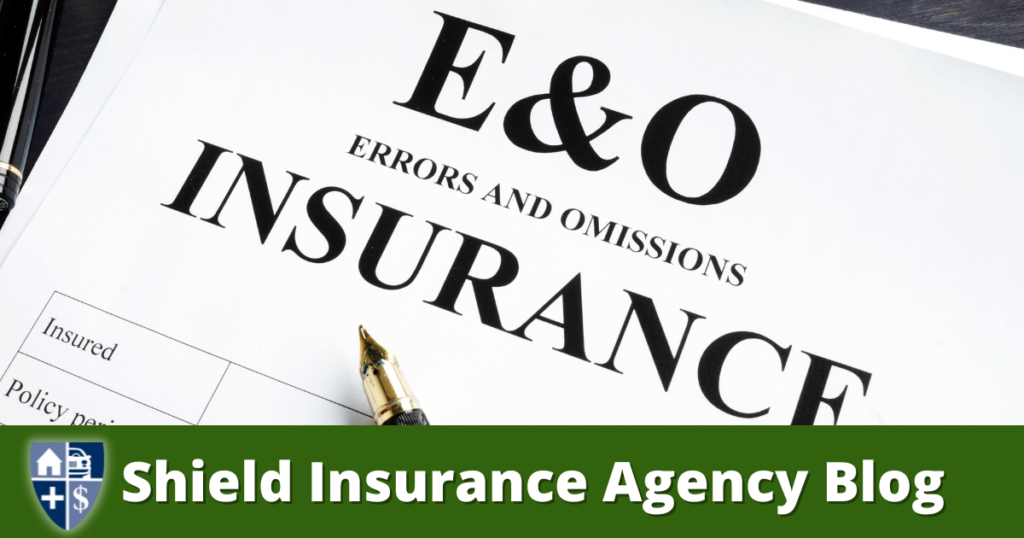
Did you know that a single mistake can cost your business thousands of dollars? With Errors and Omissions (E&O) Insurance, you get a safety net that protects your financial future. But not all policies are created equal.
E&O policies can vary widely. You need to know the ins and outs of each option to make the best decision for your business. Let’s break it down!
Typical Coverage Options and Policy Features
E&O insurance typically includes coverage for legal defense costs, settlements, and judgments. But here’s the deal: coverage limits, deductibles, and exclusions can differ dramatically between providers. Some offer a basic policy, while others throw in perks like coverage for temporary staff.
Step #1: Understand the standard features. Most policies cover negligence, misrepresentation, and inaccurate advice. But some providers may offer more bells and whistles, like industry-specific protections.
Step #2: Compare policies! Look for key features like coverage limits (the maximum amount the insurer will pay) and deductibles (what you’ll pay out of pocket). Exclusions are equally important; know what’s not covered so there are no surprises.
Pro Tip: Always read the fine print! A higher premium can sometimes mean significantly better coverage.
Comparison of Different E&O Insurance Policies
Now, let’s see how different E&O policies stack up against each other. Here’s a quick comparison to help you make an informed choice:
| Provider | Coverage Limit | Deductible | Exclusions |
|---|---|---|---|
| Provider A | $1 Million | $1,000 | Intentional Acts |
| Provider B | $500,000 | $500 | Fraud |
| Provider C | $2 Million | $2,000 | Damage to Property |
As you can see, each provider has its own mix of coverage limits and exclusions. Your job is to pick the one that aligns best with your risk profile and budget.
Cost Factors and Pricing
Did you know that the price of errors and omissions insurance can differ drastically based on several key factors? If you’re a business owner in Washington State, understanding these factors can save you a ton of money.
The cost of your policy isn’t just a random number. It’s influenced by things like your industry, claims history, and even the size of your business. Here is the deal: The more you know, the better you can negotiate.
Factors Influencing Cost
When pricing out errors and omissions insurance, insurers consider various elements. Your industry type plays a significant role; a tech consultant might pay differently than a real estate agent. Then there’s your coverage level; more coverage means higher premiums, obviously. But don’t overlook your claims history. If you’ve had claims in the past, expect to pay more.
Pro Tip: Clean claims history often nets you a better rate!
Getting and Negotiating Quotes
So, how do you get your hands on these quotes? Step #1: Use online comparison tools. They can give you a rough idea of what you’ll pay. BUT, don’t stop there. Step #2: Pick up the phone and negotiate directly with insurers. You’ll be surprised at the flexibility they might offer.
Remember, insurers are businesses too. They want you as a customer, so don’t hesitate to push for a better deal. Factoring in your business size and other details can also help you negotiate effectively.
Cost Comparisons by Industry, Coverage Level, and Business Size
Here’s a quick look at how costs can vary. Keep in mind, these are just estimates, but they give you a solid starting point.
| Industry | Coverage Level | Business Size | Average Monthly Premium |
|---|---|---|---|
| Tech Consulting | $500,000 | 1-5 Employees | $50 |
| Real Estate | $1,000,000 | 6-10 Employees | $150 |
| Legal Services | $2,000,000 | 11-20 Employees | $300 |
Claims Process and Handling

Did you know? Over 30% of small businesses face legal action at some point. That’s why you have errors and omissions insurance. But do you know how to file a claim when you need it? Let’s break it down.
Filing a claim under an errors and omissions insurance policy doesn’t have to be complicated. With the right steps, you can streamline the process and get the compensation you deserve. Here’s how.
Filing an E&O Claim
The first step in filing a claim is notifying your insurer as soon as you become aware of a potential issue. Delays can lead to denied claims, so act quickly. You’ll need to provide details about the incident, including dates, involved parties, and any relevant documentation.
Once your insurer has this information, they will guide you through the next steps. Make sure to be thorough and honest in your descriptions to avoid complications.
Insurer’s Assessment and Processing
Once the claim is filed, the insurer will assess its validity. They’ll verify the policy coverage, and scrutinize any exclusions or conditions. This assessment can take a while, so patience is key.
Insurers often assign a claims adjuster to your case. This person will be your go-to for updates and information. Keep communication lines open and provide any additional documents they request promptly to avoid delays.
Managing Your Claim Effectively
To ensure a smooth claims process, document everything meticulously. Keep a record of all communications and make sure you meet all deadlines for submitting forms and evidence.
Pro Tip: Hire a claims consultant if your case is complex. They can help navigate the process and ensure you’re maximizing your coverage benefits.
By staying proactive and organized, you can expedite the resolution and receive the compensation you’re entitled to.
Benefits of Errors and Omissions Insurance

Did you know that 42% of businesses have faced legal action for mistakes or oversights? That’s a staggering number!
Errors and Omissions (E&O) Insurance is your safety net against these costly legal battles. It covers the gaps in your standard liability policies, ensuring that a miscalculation or oversight doesn’t lead to a financial disaster.
Protection Against Legal Claims
Imagine this: A small consultancy firm makes a minor error in a report. The client sues them for $50,000 in damages. Without E&O Insurance, this could mean bankruptcy for the business. But with the right insurance, legal fees and settlement costs are covered.
Having E&O Insurance reassures your clients. It shows them that you take accountability seriously, and in turn, this builds trust and credibility.
- Coverage for defense costs
- Protection against judgment costs
- Client reassurance and trust building
Real-World Scenarios
Take the case of a real estate agency that forgot to disclose a critical detail in a property sale. The oversight led to a lawsuit. Thanks to their E&O policy, they avoided a $100,000 payout, saving their business.
Or consider a tech company that delivered software with a small bug. The client demanded compensation for losses. Their E&O coverage kicked in, covering the legal defense and settlement, allowing the company to focus on fixing the issue rather than financial ruin.
Testimonials from the Business World
Businesses benefiting from E&O Insurance often have stories to tell. One CEO said, “Having E&O Insurance saved us from a crippling lawsuit. We learned the importance of being proactive rather than reactive.”
“Our E&O policy was a game-changer. It allowed us to handle a costly mistake without harming our finances.” – Tech Startup Owner
These testimonials underscore the critical role that E&O Insurance plays in maintaining business resilience.
Final Summary
In conclusion, errors and omissions insurance is more than just a policy—it’s a safeguard for your business’s future. While navigating the complex landscape of Washington State’s business regulations, having the right E&O coverage ensures peace of mind and financial stability. Don’t let unforeseen errors derail your success; protect your business today and focus on what truly matters: growing and thriving in a competitive market.
FAQ
What is errors and omissions insurance, and why is it important in Washington State?
Errors and omissions insurance protects businesses from claims of negligence or inadequate work. In Washington State, it is crucial due to the diverse industries that require such coverage to mitigate potential legal and financial risks.
Which industries commonly require errors and omissions insurance?
Industries such as real estate, legal, healthcare, consulting, and technology often require errors and omissions insurance due to the nature of their work and potential liabilities.
Are there specific legal requirements for errors and omissions insurance in Washington State?
Yes, certain professions in Washington State may have specific legal requirements to carry errors and omissions insurance based on state regulations and industry standards.
How can a business in Washington State obtain errors and omissions insurance?
Businesses can obtain E&O insurance by contacting insurance providers, comparing policies, and selecting coverage options that best fit their industry needs and risk level.
What factors influence the cost of errors and omissions insurance in Washington State?
Factors such as the business size, industry, coverage level, and claims history can significantly influence the cost of errors and omissions insurance in Washington State.
