Small business insurance might not be the most glamorous topic, but it’s the unsung hero of the entrepreneurial world. Imagine running your dream business, where every day is a step closer to success. Now, think about the unexpected twists life throws your way. That’s where small business insurance comes in, shielding you from unforeseen disasters and ensuring that your venture not only survives but thrives.
From covering potential liabilities to safeguarding your assets, having the right insurance is like having a safety net beneath your tightrope walk to success. In this fast-paced world, understanding small business insurance is not just an option; it’s a necessity. Let’s dive into the essentials that every small business owner needs to know, ensuring your entrepreneurial journey is as smooth as possible.
Understanding Small Business Insurance
Did you know that 40% of small businesses never reopen after a disaster? That’s why small business insurance is crucial for survival.
Small business insurance serves as your safety net. It’s there to protect you against the unexpected. Whether it’s a lawsuit, property damage, or employee injury, insurance helps keep your business afloat when things go south.
The Purpose and Importance of Small Business Insurance
Small business insurance helps you manage unforeseen risks and reduces the financial burden of unexpected events. It’s not just about ticking a box; it’s about safeguarding your livelihood. Without it, one mishap could mean the end of your dream.
Overview of Common Types of Policies
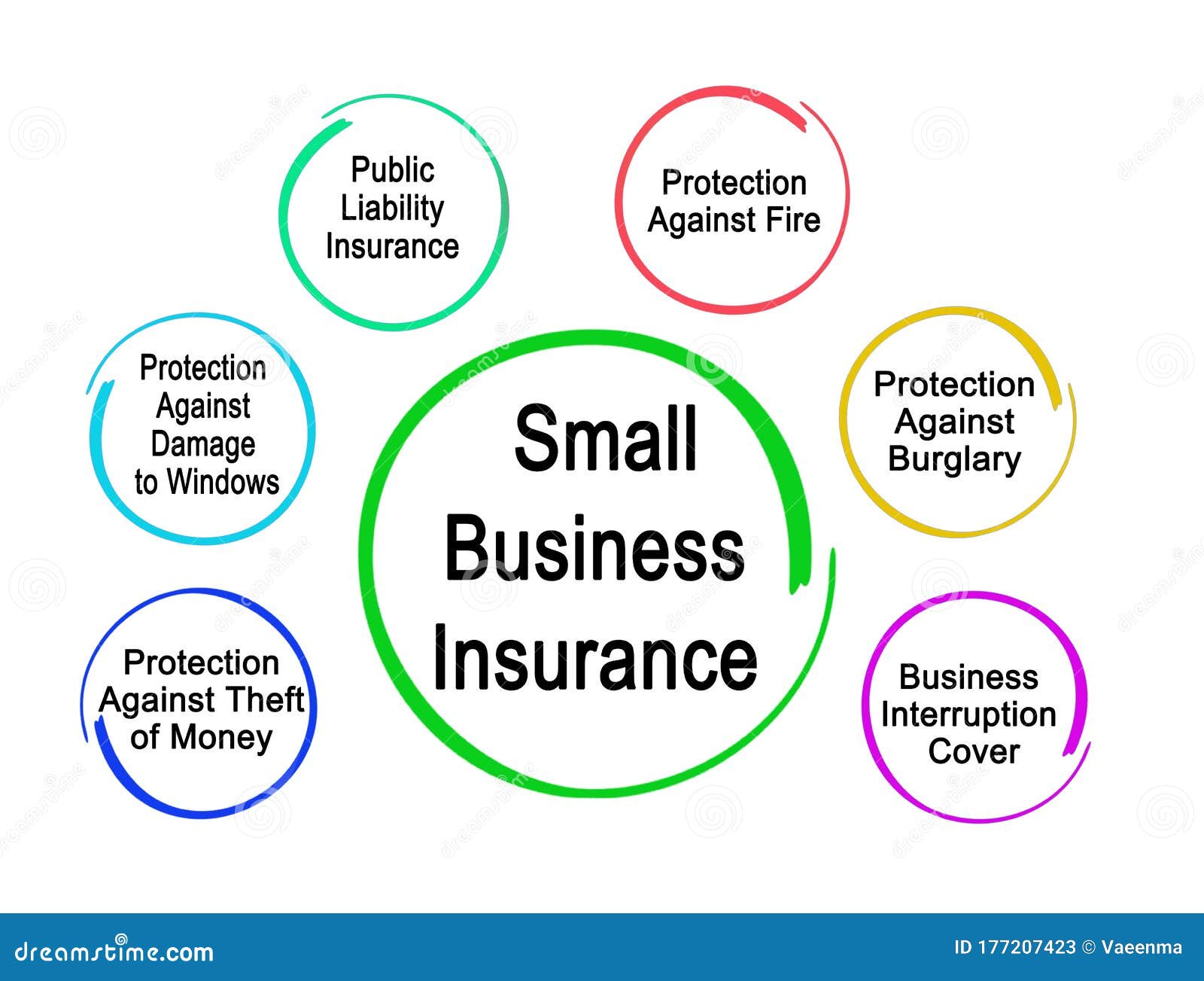
There are several types of policies that small businesses should consider. These include General Liability Insurance, which covers legal costs if someone gets hurt on your premises, and Property Insurance, which protects your physical assets. Another essential type is Workers’ Compensation Insurance—if an employee gets injured, it ensures you aren’t paying out of pocket.
Potential Risks Mitigated by Insurance
Think your business doesn’t face risks? Think again. From natural disasters to data breaches, the threats are real. Small business insurance can mitigate financial damages from these risks, keeping you in business even when the unexpected happens. Reassess your coverage regularly to make sure you’re not underinsured.
Pro Tip: Always get a comprehensive risk assessment from an insurance expert to tailor your coverage to your specific business needs.
Types of Small Business Insurance
Did you know that 40% of small businesses never recover from a disaster without proper insurance? Let’s dive into the essential types of insurance every small business owner should know about.
Understanding the various types of insurance can be overwhelming. BUT, selecting the right coverage can make or break your business in times of crisis.
General Liability Insurance vs. Professional Liability Insurance
General Liability Insurance covers claims against your business for bodily injuries and property damage. It’s your best friend if a customer trips and falls at your store. In contrast, Professional Liability Insurance, also known as Errors and Omissions Insurance, is for service providers. It protects you from lawsuits for negligence or failure to deliver professional services.
The Importance of Property Insurance for Small Businesses
Imagine waking up to find your office flooded. Scary, right? This is where Property Insurance steps in. It covers physical assets like your building, equipment, and inventory against theft, fire, and disasters.
Pro Tip: Don’t underestimate the value of a Business Owner’s Policy (BOP) which bundles multiple coverages into one cost-effective package.
| Insurance Type | Coverage | Benefits | Costs |
|---|---|---|---|
| General Liability | Bodily injury, property damage | Protection against lawsuits | Moderate |
| Professional Liability | Negligence, errors | Covers professional advice/services | Varies |
| Property Insurance | Property damage, theft | Protects physical assets | Depends on value of assets |
Benefits of Insuring a Small Business
Did you know that 40% of small businesses never reopen after a disaster? That’s a staggering number. Having the right insurance can be the difference between weathering the storm and shutting down for good.
Insurance isn’t just a safety net—it’s your business’s lifeline when things go sideways. Whether you’re facing a lawsuit, property damage, or a cyber attack, the right coverage can keep your small business afloat.
Protection Against Unexpected Events
Small businesses face numerous threats that can cause financial ruin. From natural disasters to slip-and-fall accidents, there’s always something lurking around the corner. Insurance provides comprehensive protection, ensuring that when disaster strikes, you’re not left shouldering the burden alone.
Financial Security and Stability
Insurance acts as a financial shield, safeguarding your assets. When a covered peril occurs, your insurer steps in to cover the costs. This allows you to focus on growth instead of worrying about surprise expenses that could break the bank.
Imagine a client sues your business for damages. Without insurance, you’d be on the hook for legal fees and settlements. But with coverage, you can rest easy knowing you’re protected.
Peace of Mind for Business Owners
Running a business is stressful enough without having to worry about potential financial pitfalls at every turn. Insurance gives you the peace of mind that you’re prepared for the worst. This confidence allows you to take calculated risks and innovate without fear.
Pro Tip: “Investing in comprehensive insurance coverage today can save you from financial headaches tomorrow.”
How to Choose the Right Insurance for Your Small Business
Did you know that 40% of small businesses never reopen after a disaster? That’s why having the right insurance is crucial. But choosing the right policy isn’t as simple as picking the cheapest option. You need a strategy.
I’m going to walk you through the exact steps to make sure your business is protected without breaking the bank. From assessing your needs to comparing providers, you’ll get the actionable advice you need right now.
Assessing Your Insurance Needs
The first step is understanding what your business specifically requires. Not every business needs the same coverage. Identify potential risks by considering your industry, location, and operations.
Pro Tip: List out scenarios that could potentially disrupt your business. This will help you tailor your insurance needs.
Once you’ve mapped out these risks, prioritize them. Determine which risks could have the most significant financial impact. This will guide your decision on which coverage options to consider.
Criteria for Selecting an Insurance Provider
Choosing the right provider is just as important as the policy itself. Look for insurers with a strong reputation and financial stability. Check customer reviews to understand the experiences of other small business owners.
Ask yourself: does the insurer offer flexibility in coverage options? Can they tailor a policy to suit your unique needs? Also, consider the provider’s claims process—quick and fair claims processing is crucial during a crisis.
Checklist for Evaluating Different Insurance Options
Before finalizing your decision, it’s wise to evaluate all available options. Here’s a straightforward checklist to help you:
- Does the policy cover all identified risks?
- Is the premium within your budget?
- What is the insurer’s customer support like?
- Are there any policy exclusions you should be aware of?
- How comprehensive is the claims process?
Using this checklist ensures you don’t overlook any critical factors.
Comparison Table for Evaluating Insurance Providers
To make your decision easier, I’ve designed a table to help you compare top providers based on crucial criteria:
| Provider Name | Coverage Options | Pricing | Customer Reviews |
|---|---|---|---|
| Provider A | Comprehensive, Customizable | $$$ | 4.5/5 |
| Provider B | Basic, Inflexible | $$ | 3.8/5 |
| Provider C | Customizable, Quick Claims | $$$$ | 4.7/5 |
Remember, the cheapest policy isn’t always the best. Factor in the quality and comprehensiveness of coverage as well.
Tips and Best Practices for Managing Small Business Insurance

Did you know that nearly 40% of small businesses don’t reopen after a disaster? Insurance can be a game changer. But managing it can be a headache if you’re not sure how to keep it up-to-date and efficient.
Whether you’re a seasoned business owner or just starting out, you need a solid plan to manage your insurance. Here’s the deal: by following a few key steps, you can ensure your coverage is robust and ready when you need it most.
Maintaining Adequate Insurance Coverage
Step #1 is to know your business inside and out. The type of insurance you need can vary depending on your industry, location, and even the size of your team. Regularly evaluate your business activities and assets to ensure your insurance policies align with your current operations.
Pro Tip:
“Review your insurance coverage at least once a year or whenever you have a major business change.”
This ensures that you’re not overpaying or under-covered.
Strategies for Regularly Reviewing and Updating Insurance Policies
Step #2 is to set a reminder. It’s easy to forget when your policies renew or when they need updating. Use a digital calendar to alert you when it’s time to review your policies. This way, you’ll never miss an update that could cost you dearly.
Another strategy is to partner with a trusted insurance advisor. They can provide insights into new policies that might benefit your business and help you navigate complex insurance jargon. A good advisor is like having a co-pilot on this journey.
Best Practices for Filing an Insurance Claim Efficiently
When disaster strikes, you need to file a claim fast and accurately. Step #3 is to document everything. Keep detailed records of any incidents, including photos, witness statements, and timelines. This makes the process smoother and quicker.
Also, get familiar with your policy terms. Knowing what’s covered and what’s not can save you a lot of time and hassle during claims. Pro Tip:
“Never hesitate to contact your agent for clarification on claim procedures.”
They are there to help you through every step.
Common Myths About Small Business Insurance
Did you know that almost 40% of small businesses have no insurance? That’s a staggering number when you consider the risks involved. But why do so many business owners skip out on insurance? Let’s dive into some common myths that might be clouding their judgment.
Many business owners think they’re saving money by going without insurance. Big mistake. These myths can lead to costly decisions and headaches down the line.
Myth: Insurance Is Too Expensive For Small Businesses
It’s a common belief that insurance is a luxury only big businesses can afford. However, the reality is that insurance can be tailored to fit your budget and specific needs. Think of insurance as an investment rather than an expense. In the long run, it can save your business from financial ruin.
Pro Tip: Talk to multiple providers to get the best deal. You’ll be surprised at the range of options available.
Myth: My Business Is Too Small To Need Insurance
You might think your business is flying under the radar, but risks don’t discriminate based on size. Whether it’s a slip and fall in your store or damage to a client’s property, small incidents can lead to big financial hits. Insurance acts as your safety net.
Myth: General Liability Insurance Covers Everything
Here’s the deal: General liability insurance is essential, but thinking it covers all your bases is a huge misstep. For example, it won’t cover damages from professional errors or employee injuries. Each policy has its own limitations, and understanding these is crucial for comprehensive protection.
Real-world scenario: A small graphic design firm skipped out on professional liability insurance, thinking general liability was enough. One lawsuit later, they realized the costly error.
Don’t let these myths steer you off course. The right insurance can secure your business’s future, allowing you to focus on growth rather than potential setbacks.
Summary
In conclusion, navigating the world of small business insurance might seem daunting, but it’s a crucial part of securing your business’s future. By understanding and selecting the right types of insurance, you’re not just protecting your assets; you’re investing in peace of mind. So, take the time to evaluate your needs, choose wisely, and let insurance be the silent partner in your success story.
Answers to Common Questions
What is the purpose of small business insurance?
Small business insurance is designed to protect your business from financial losses due to unforeseen events such as accidents, lawsuits, or natural disasters.
What types of insurance should small businesses consider?
Small businesses should consider general liability insurance, professional liability insurance, and property insurance as key components of their risk management strategy.
How does general liability insurance differ from professional liability insurance?
General liability insurance covers bodily injuries and property damage, while professional liability insurance protects against claims of negligence related to professional services.
Why is property insurance important for small businesses?
Property insurance is crucial as it covers damage or loss to business assets, including buildings, equipment, and inventory, ensuring your business can recover quickly after an incident.
How can small business owners assess their insurance needs?
Owners should evaluate their business risks, consult with an insurance advisor, and consider the specific needs of their industry to determine appropriate coverage.
What are some strategies for managing small business insurance effectively?
Regularly reviewing and updating policies, maintaining adequate coverage, and working closely with your insurer are key strategies for effective management.
