Have you ever wondered who the big players in the insurance world are? Well, hold onto your seats because we’re about to dive deep into the captivating realm of the top three insurance companies that are rewriting the rules of the game. These giants are not just balancing the scales of risk, but they’re also driving innovation and growth in an industry that’s crucial for global economic stability.
In a world where uncertainty is the only certainty, insurance companies offer a lifeline. Whether it’s safeguarding your health, property, or business, the insurance industry is a powerhouse of protection and reassurance. But, what sets the top contenders apart? Let’s unravel the story of the leading insurers who stand out not just in numbers, but in trust and transformation.
Overview of the Insurance Industry
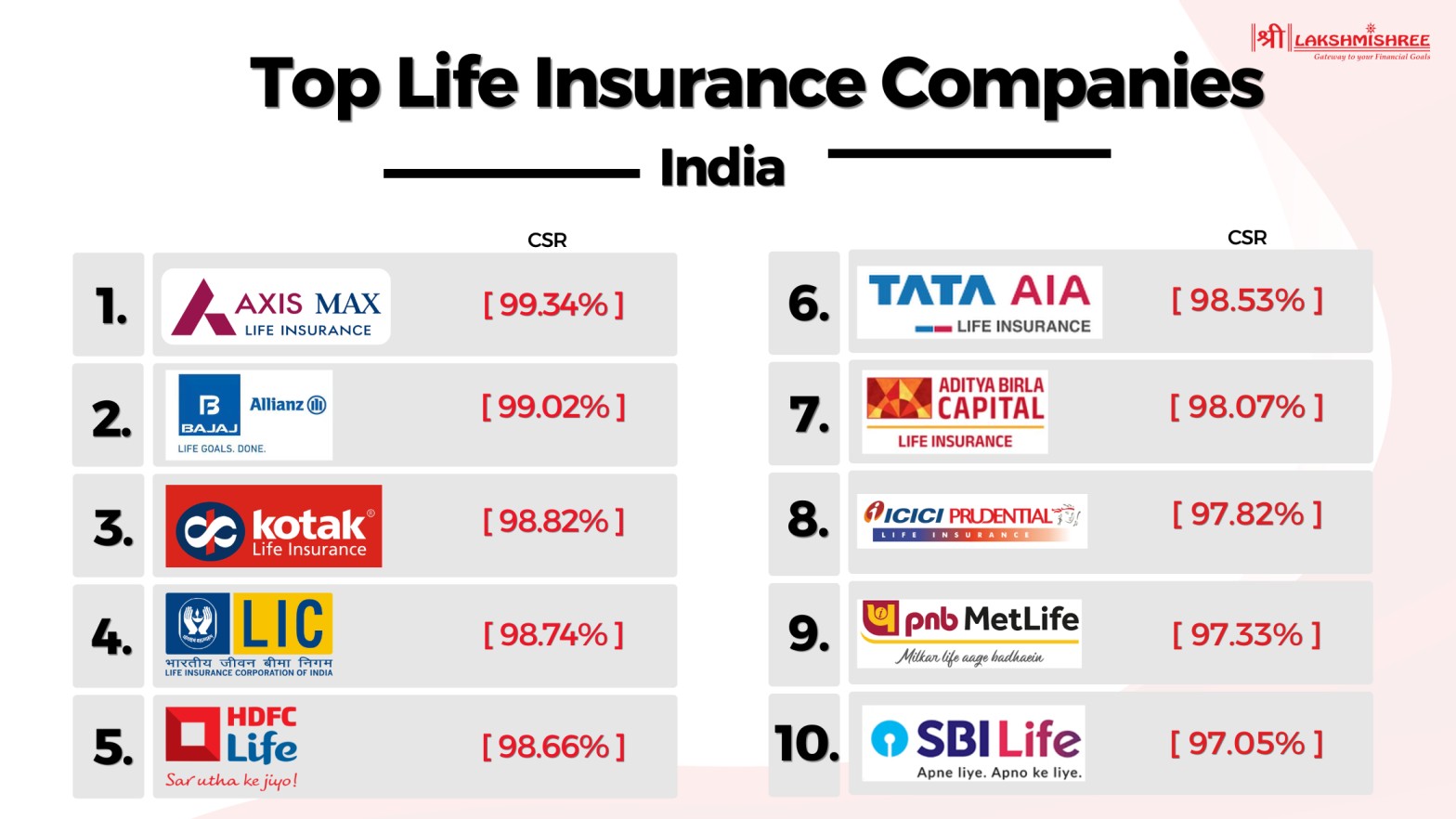
Did you know the global insurance industry is valued at over $6 trillion? That’s a massive number.
Insurance is more than just a safety net for the unexpected. It’s a giant industry that plays a crucial role in economic stability and personal financial security. But how exactly does it all work?
The Types of Insurance Products
Insurance products are like a buffet of financial protection. You have life, health, property, and casualty among others. Each type serves a unique purpose.
For instance, life insurance ensures your loved ones are taken care of financially when you’re gone. Meanwhile, health insurance helps you avoid the crippling costs of medical care. Without these safety nets, the risk of financial ruin is real.
| Insurance Type | Purpose |
|---|---|
| Life Insurance | Provides financial support to beneficiaries |
| Health Insurance | Covers medical expenses |
| Property Insurance | Protects against damage or loss of property |
| Casualty Insurance | Covers liability for injuries or damages to others |
The Role of Insurance Companies in Economic Stability
Insurance companies are like the quiet heroes of economic stability and risk management. They absorb risks that individuals or businesses can’t handle alone.
Here’s the deal: By pooling together premiums, insurers can pay out claims and also invest in economic growth. This not only stabilizes financial systems but also encourages innovation and entrepreneurship.
Pro Tip: Diversifying your insurance portfolio can significantly increase your financial resilience.
Ultimately, without insurance, the financial landscape would look vastly different. The ability to take risks and innovate would be severely limited, stunting growth across economies worldwide.
Criteria for Ranking Insurance Companies
Ever wondered how insurance companies get ranked? It’s not just about catchy ads and low premiums. There’s a whole set of criteria that play a crucial role.
Understanding these criteria can help you make informed decisions when picking an insurance provider. Let’s dive in and see what makes or breaks an insurance company’s reputation.
Key Criteria for Evaluation
To rank insurance companies, we consider several key factors. Each plays a different role in shaping the company’s standing in the market.
- Financial Strength: A company’s ability to pay claims is fundamental. If they can’t cover you in a crisis, they’re not worth your time.
- Customer Satisfaction: Happy customers often mean reliable service. Positive reviews and high ratings can indicate a company you can trust.
- Market Share: A larger market share means more policyholders trust the company. It also suggests financial stability and growth potential.
Here is the deal: each of these factors impacts the company’s reputation and reliability differently. Check out this table to see how:
| Criteria | Description | Importance | Impact |
|---|---|---|---|
| Financial Strength | The ability of the company to meet its financial obligations, especially in paying claims. | Critical | Ensures customers receive their claims. Weak financial strength can lead to policyholders being left stranded. |
| Customer Satisfaction | Measures how products and services supplied by a company meet or surpass customer expectation. | High | Influences customer loyalty and retention. High satisfaction scores often lead to positive word-of-mouth. |
| Market Share | The percentage of an industry’s sales that a company controls. | Moderate | Reflects the company’s dominance and competitiveness in the market. Larger market share suggests financial stability. |
Pro Tip: Always verify financial ratings from reputable agencies to ensure your insurer is rock-solid.
Highlight of the Top Three Insurance Companies

Think you know the giants of the insurance world? The top three companies are absolutely dominating the market, but how did they get there?
Let’s take a closer look at what makes these insurance titans stand out. It’s not just their size, but their innovative approaches and historical legacies that keep them on top.
Company #1: Allianz
Allianz isn’t just a name; it’s a powerhouse. Founded in 1890, this German-born insurance giant has grown into a global force with operations in over 70 countries. As of now, Allianz manages a staggering €2 trillion in assets. But what really sets them apart is their commitment to sustainability. They’re leading the charge with eco-friendly insurance products.
Pro Tip: Allianz’s strength lies in its diverse portfolio and focus on sustainable growth.
Company #2: AXA
AXA, the French behemoth, has been safeguarding futures since 1817. They have a massive footprint in Europe, North America, and Asia, serving over 100 million clients worldwide. Their edge? AXA’s relentless focus on digital innovation. By integrating AI into their platforms, they’re providing unmatched customer experiences.
Pro Tip: AXA’s secret sauce is their tech-forward approach, making insurance more accessible and efficient.
Company #3: Ping An Insurance
Ping An isn’t just China’s largest insurer; it’s a tech juggernaut. Established in 1988, this relatively young contender has rapidly ascended to the top, leveraging cutting-edge technology and data-driven insights. Their core strength is in their integrated “finance + technology” model, offering a seamless blend of financial services and AI solutions.
Pro Tip: Ping An’s major advantage is its ability to harness technology for both growth and customer satisfaction.
Comparative Analysis of the Top Companies

Ever wondered how the top insurance companies stack up against each other? Well, you’re in the right place. Today, we’re diving into the nitty-gritty of their financial performance, product offerings, and customer service.
Understanding these elements is crucial if you want to make an informed decision about where to invest your trust (and money). These companies didn’t just land at the top by accident. They’ve crafted strategies that keep them ahead in an ever-evolving market.
Financial Performance, Product Offerings, and Customer Service
When it comes to financial performance, the top three companies are in a league of their own. They boast impressive balance sheets and continue to deliver strong returns to stakeholders. But that’s not all. Their product offerings are diverse, catering to a mix of traditional and modern insurance needs.
And let’s not forget customer service. In today’s world, excellent service can make or break a company. These insurance giants have invested heavily in technology and training to ensure customer satisfaction.
| Company | Financial Performance | Product Offerings | Customer Service |
|---|---|---|---|
| Company A | High profits year-over-year | Wide range of products including digital insurance | 24/7 Customer Support with high resolution rate |
| Company B | Steady growth with strong dividends | Traditional and innovative insurance solutions | Excellent service with personalized customer experience |
| Company C | Industry-leading financial stability | Comprehensive products with customizable options | High customer satisfaction scores |
Here’s the deal: each of these companies brings something unique to the table. Whether it’s cutting-edge technology or unbeatable customer loyalty, they’ve adapted to recent industry trends with precision.
Pro Tip: Pay close attention to how these companies leverage technology to enhance customer experiences. It’s a game-changer.
Comparing these giants isn’t just about picking a winner. It’s about understanding what makes them successful and how you can benefit from their strengths. Stay informed, and you’ll be better equipped to choose the right insurance partner for your needs.
Trends and Innovations in the Insurance Sector
Are you ready to see how the insurance sector is transforming with innovative trends? If you think insurance is still the same old paper-pushing industry, you’re in for a surprise.
Today’s insurance companies are racing to integrate cutting-edge technology and offer personalized services that were unimaginable a few years ago. Let’s dive into the details.
Technology Integration in Insurance
Insurance companies are leveraging AI and machine learning to automate claims processing. This not only speeds up the process but also reduces errors. Step #1: Companies like Lemonade use AI bots to process claims in as little as 3 seconds. Step #2: Big players like Allstate are not far behind, using predictive analytics to underwrite policies more accurately than ever before.
Here’s the deal: AI isn’t just making things faster, it’s making insurers more accurate. This means fewer disputes and happier customers.
Pro Tip: Look for insurers that offer AI-driven mobile claims apps for a seamless experience.
Personalized Services
In this era of customization, insurance companies are stepping up their game with personalized policies. They’re using data analytics to tailor policies that match individual risk profiles. For example, Progressive’s Snapshot program uses driving data to offer rates based on your driving habits. This means you pay for exactly what you use.
But it doesn’t stop there. MetLife has embraced personalization by offering life insurance that adjusts as your life changes. Whether it’s a new job or a new baby, your policy evolves with you.
Innovations by Leading Companies
Among the top insurance companies, innovation is king. Take AXA, for example. They’ve implemented AI-powered chatbots to handle customer inquiries 24/7. These bots don’t just answer questions; they anticipate needs and suggest policies.
Meanwhile, Allianz is using blockchain technology to increase transparency in their transactions, ensuring that every step is recorded and verified. This boosts trust with clients and sets a new standard in the industry.
These examples show that top insurers aren’t just following trends—they’re setting them. They understand that to stay on top, they need to innovate relentlessly.
Future Prospects for Top Insurance Companies
Ever wondered how the top insurance companies will adapt to the whirlwind of change heading their way? They may be leaders now, but the future is set to test their mettle.
With consumers demanding more personalized service and tighter regulations on the horizon, these giants will need to innovate or risk obsolescence. But what does that look like?
Challenges and Opportunities Ahead
Every industry titan faces unique challenges in the ever-evolving insurance landscape. Digital transformation isn’t just a buzzword—it’s a necessity. Customers expect seamless online experiences and instant policy access. Are you ready for that? Companies must invest in cutting-edge tech to stay competitive.
Regulations are also tightening. But here’s the deal: stricter rules can lead to streamlined processes and improved consumer trust. It’s a balancing act between compliance and customer-centric innovation.
- Challenge: Rising customer expectations for digital interactions.
- Opportunity: Leveraging AI and machine learning for personalized policies.
- Challenge: Increased regulatory scrutiny.
- Opportunity: Enhanced customer trust through transparency.
Strategies for Sustaining Market Position
So, how can these companies not just survive but thrive? Step #1: Integrate advanced analytics to predict and meet consumer needs before they even arise. Step #2: Forge strategic alliances with tech firms to turbocharge innovation and bring fresh solutions to the table.
Step #3: Place a strong emphasis on sustainable practices. Insurers that adopt green policies can attract eco-conscious customers and reduce operational costs. It’s a win-win.
Pro Tip: “Stay ahead by adopting a proactive approach to emerging trends.”
These strategies are not just ideas—they’re a roadmap to staying relevant in a rapidly changing world.
Final Summary
In conclusion, the top three insurance companies hold their positions not just by size but by their unparalleled ability to adapt, innovate, and deliver exceptional value to their customers. As the industry evolves, these companies are poised to navigate the challenges and opportunities that lie ahead. Their relentless pursuit of excellence serves as a beacon for others and a testament to the transformative power of strategic vision and customer-centric innovation.
Common Queries
What criteria are used to rank insurance companies?
Insurance companies are ranked based on financial strength, customer satisfaction, and market share. Each criterion impacts the company’s reputation and reliability significantly.
Why is financial strength important for insurance companies?
Financial strength ensures that an insurance company can meet its current and future obligations, providing a safety net for policyholders in times of need.
How do customer satisfaction ratings affect insurance companies?
High customer satisfaction ratings often lead to higher customer retention and can significantly enhance a company’s reputation in the market.
What are some innovations in the insurance industry?
Innovations include technology integration like AI and machine learning, personalized service offerings, and usage-based insurance models.
What challenges do top insurance companies face in the future?
Top insurance companies may face challenges such as changing regulatory environments, evolving consumer needs, and increased competition from insurtech startups.
